

Client Alerts
Eighth Circuit Halts FTC’s “Negative Option” Rulemaking
July 2025

Client Alerts
Eighth Circuit Halts FTC’s “Negative Option” Rulemaking
July 2025
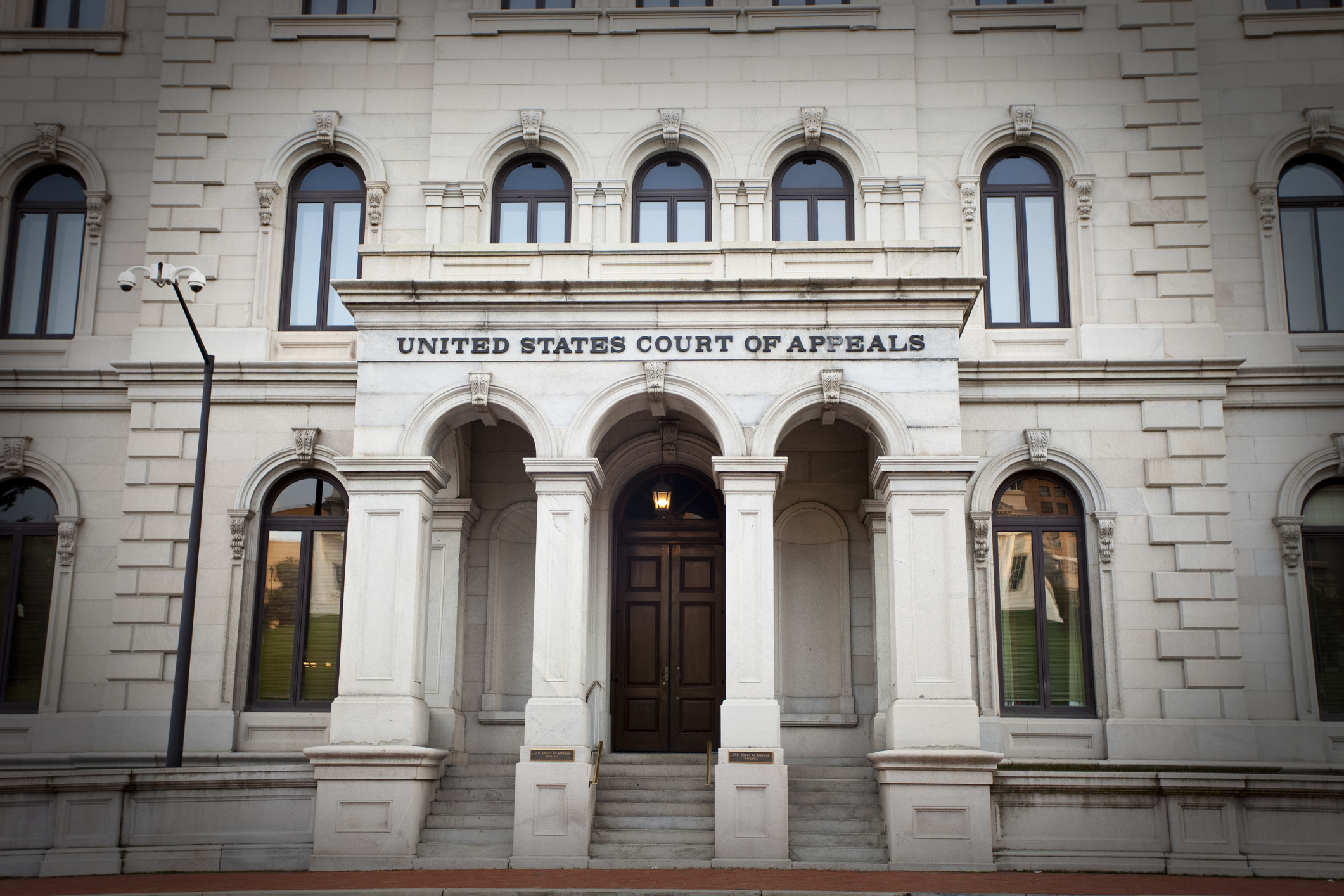
The Federal Trade Commission’s (“FTC”) Negative Option Rule (“Rule”) was first implemented over 50 years ago and had been slated for its first major overhaul via a major amendment set to take effect on July 14, 2025. But on July 8, 2025, the United States Court of Appeals for the Eighth Circuit vacated the FTC’s amended Rule on the grounds that the FTC failed to comply with mandatory procedural requirements during the rulemaking process. The result is a setback for the FTC’s efforts to modernize its original Rule, which was promulgated in 1973 and, while still in force, does not reach many of the negative option plans in use today.
Background
Negative option marketing refers to arrangements in which a consumer’s silence or failure to take affirmative action is interpreted as acceptance of an offer, often resulting in recurring charges for goods or services. The original Rule addressed only a narrow subset of such practices. In 2023, the FTC proposed a sweeping update to cover many forms of negative option marketing used today, which were not encompassed by the 1973 Rule. These include:
- Continuity Plans, under which consumers agree in advance to periodic shipments of goods or provision of services, to continue until the consumer cancels the agreement;
- Automatic renewal plans, under which sellers automatically renew customers’ subscriptions when they expire unless the consumer takes the affirmative step of cancelling the subscription; and
- Free-to-pay plans, in which consumers receive free goods or services (or pay only a nominal fee), typically for a trial period, and are automatically charged a fee at the end of that period unless they affirmatively cancel or return the goods to the seller.
The updated Rule, adopted in November 2024 by a 3-2 Commission vote, imposed new requirements on sellers who use these plans, including (1) prohibitions on misrepresenting material facts, (2) mandates for clear and conspicuous disclosure of material terms, (3) requirements for express consumer consent, and (4) a simplified cancellation mechanism.
Industry groups and business associations challenged the amended Rule in multiple federal circuits, arguing among other things that the FTC’s rulemaking did not comply with procedural requirements under the FTC Act.
Eighth Circuit Decision
The Eighth Circuit focused on the FTC’s failure to issue a formal “preliminary regulatory analysis” as required by Section 22 of the FTC Act, 15 U.S.C. § 57b-3(b)(1). This analysis must occur at the notice of proposed rulemaking stage whenever a proposed rule is expected to have an annual economic effect of $100 million or more. Although the FTC initially estimated that the Rule’s economic impact would fall below this $100 million threshold, an Administrative Law Judge later found that compliance costs alone would exceed this amount. Despite this finding, the FTC did not issue a preliminary regulatory analysis, proceeding instead to finalize the amended Rule.
The court held that the FTC’s failure to conduct the required preliminary regulatory analysis deprived interested parties of a meaningful opportunity to comment on alternatives and cost-benefit analyses at a critical stage of the rulemaking process. Further, because the amended Rule did not contain a severability provision (which could have kept the remaining provisions in effect), the court vacated the entire amended Rule.
Implications
The Eighth Circuit’s decision halts the updated Negative Option Rule in its tracks. It is not yet clear whether the FTC will seek Supreme Court review or restart the rulemaking process, but it appears unlikely given that current FTC Chair Andrew Ferguson was among the dissenters from the Commission’s November 2024 vote adopting the amended Rule. Meanwhile, the 1973 version of the Rule remains in effect, although it does not reach many of the negative option plans used today. Companies should also remain mindful of the patchwork of state laws that still affect negative option plans, particularly as several automatic renewal laws have been enacted or amended in the last several months in states like California and New York, among others.
ADDITIONAL INFORMATION
For more information, please contact:
- Michael J. Ruttinger | 216.696.4456 | michael.ruttinger@tuckerellis.com
- Paul J. Malie | 216.696.3466 | paul.malie@tuckerellis.com
This Client Alert has been prepared by Tucker Ellis LLP for the use of our clients. Although prepared by professionals, it should not be used as a substitute for legal counseling in specific situations. Readers should not act upon the information contained herein without professional guidance.